On Benvenuto Cellini, Tech-Bro Patronage, and AI
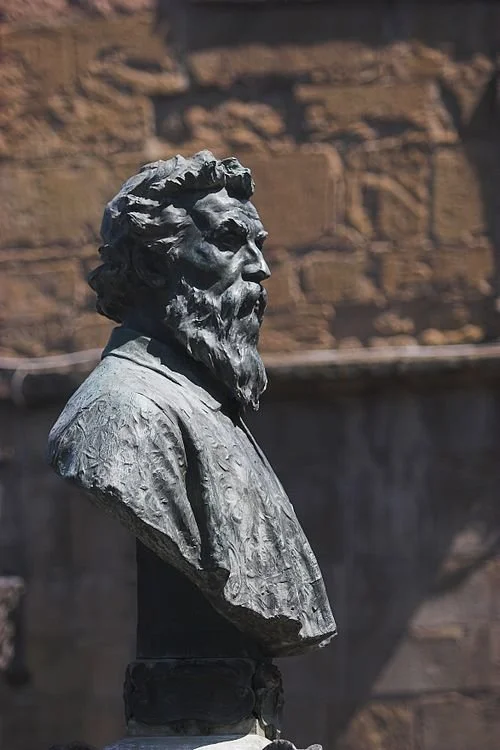
I’ve been reading and loving the autobiography of Benvenuto Cellini, which is full of 16th-century life and a real window into what it was like to be a Renaissance artist. Benvenuto spends a LOT of his time chasing patrons for payments owed, and spends the rest of his time stabbing folk for offenses real and imagined, so basically nothing’s changed (except for maybe less stabbing).
I was most struck by how fraught the patron relationship was—how every wealthy patron, from popes on down, commissioned art, praised the artist, and then almost immediately resented the person they praised: like, there’s a real sense of begrudging the artist for having the talent and craft to make art, and this ridiculous conviction (on the part of 16th-century tech-bro oligarchs) that the “real” artist is the patron & the person making the art is just a tool—and instrument—to the patron.
Like, here’s the king of France chiding Benvenuto: “There is one most important matter, Benvenuto, which men of your sort, though full of talent, ought always to bear in mind; it is that you cannot bring your great gifts to light by your own strength alone; you show your greatness only through the opportunities we give you. Now you ought to be a little more submissive, not so arrogant and headstrong.”
This moneyed entitlement also feels super familiar, from how streaming has devalued Writers’ Rooms to how AI has hoovered up people’s art and turned it into slop to how tech companies try so hard, and in so many ways, to remove the quirks and weirdness of individuals and their aesthetic disposition and just turn every platform into these smooth, frictionless, algorithmically-driven consumable loops—nothing in the tech-bro view of the world is particularly original, it’s all a kind of a bad copy, a boring replica, because they don’t originate work. They commission it. And then they insist on commissioning bits that replicate stuff that was replicated to begin with. It’s one of the major reasons why AI-generated prose & art is so freaking boring. It was commissioned by boring people too boring to know their own limitations, and it was built on the labor and vision of artists who they actively resent.
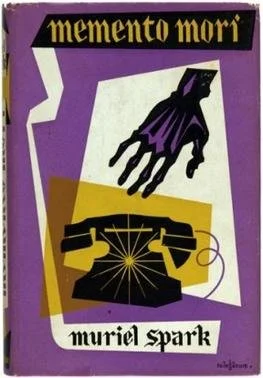
OK, one last bit: I picked up the Cellini autobiography because of Muriel Spark’s MEMENTO MORI, a hilarious novel about a bunch of moneyed nincompoops all working on their autobiographies to preserve their brilliance for posterity. Their project is, in every regard, a failure. They’re not brilliant, they can’t write, and no amount of money saves them from their themselves.